Key Takeaways
- Utah does not require a state-issued piercing license
- Piercers must follow local health department regulations
- Required certifications include Bloodborne Pathogens, CPR, and infection control
- Most professionals learn through apprenticeships and hands-on training
- Proper training matters more than minimum requirements for long-term success
Piercing can be an incredibly rewarding career—both creatively and financially—but it requires dedication, precision, and a strong foundation in safety and technique.
While Utah may not require a traditional license, that doesn’t mean the standards are low. In many ways, it means the responsibility is on you to seek out the best possible training and environment.
The path you choose will directly impact your skill level, your confidence, and your reputation in the industry.
If you’re considering entering the world of piercing, take the time to invest in proper education, find the right mentorship, and build your skills the right way.
Your future clients—and your career—depend on it.
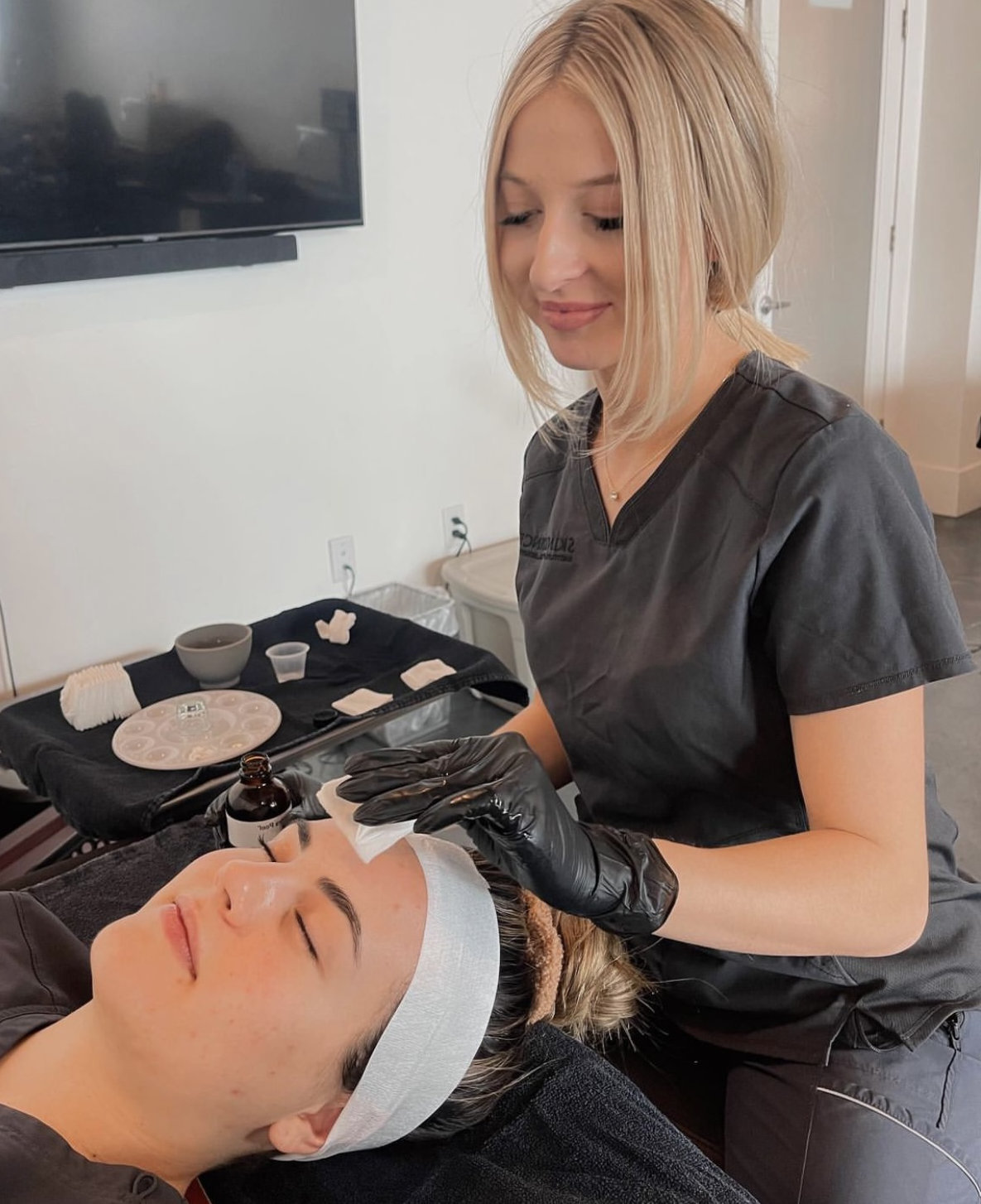
At Skin Science Institute, we offer a comprehensive piercing course designed to give you a strong, confident start. Our two-day training covers everything you need to know—from safety and technique to real-world application—while providing you with the tools you’ll need for your first few months in the industry. Skin Science Institute offers piercing training at our Utah locations, including Sandy and Orem, giving students hands-on experience in a real-world environment.
Upon completion, you’ll receive certification so you can step into your new career with confidence and clarity.
How to Become a Certified Piercer in Utah: What You Need to Know
Utah’s beauty and body art industry continues to grow, and professional piercing has become an increasingly popular and in-demand career path. As more clients seek high-quality, safe, and aesthetically precise piercings, the need for properly trained professionals continues to rise.
However, unlike esthetics or cosmetology, the path to becoming a professional piercer isn’t always clearly defined. Many aspiring piercers quickly realize that understanding certifications, licensing requirements, and proper training in Utah can feel overwhelming at first.
If you’re considering a career in piercing, it’s important to understand what is required, what is recommended, and what will truly set you up for long-term success in the industry.
Do You Need a License to Be a Piercer in Utah?
One of the most common questions is whether you need a license to perform piercings in Utah.
In Utah, piercing is regulated at the local (county) level, rather than through a statewide cosmetology or esthetics license. This means there is no universal “piercing license” issued by the state.
Instead, professional piercers must follow body art regulations set by local health departments, which are designed to ensure proper sanitation, safety, and infection control practices.
While requirements can vary slightly depending on your county, most areas require:
- Registration with the local health department
- Working in a licensed and approved body art facility
- Completion of health and safety certifications
Because there is no standardized statewide license, your education and training play a much bigger role in your success.
What Certifications Do You Need to Become a Piercer in Utah?
While Utah does not require a specific piercing license, there are several essential certifications that are expected within the industry and often required by studios and health departments.
These typically include:
- Bloodborne Pathogens Certification – This is one of the most important certifications. It teaches you how to prevent the spread of infections and safely handle tools and exposure risks.
- First Aid and CPR Certification – Piercers are responsible for client safety, so being prepared for emergencies is critical.
- Infection Control Training – Understanding sterilization, cross-contamination prevention, and proper sanitation protocols is non-negotiable.
These certifications can often be completed relatively quickly, but they are only the foundation—not the full training needed to succeed.
Do You Need a License to Do Piercings in Utah?
Technically, no—Utah does not require a traditional state-issued license to perform piercings.
However, that does not mean you can begin piercing without proper qualifications. You must still:
- Meet local health department requirements
- Work within a licensed facility
- Maintain required safety certifications
In many ways, this makes choosing the right training even more important, since there is no standardized school system guiding your education.
Do You Need an Apprenticeship to Become a Piercer?
Piercing is a hands-on, skill-based profession that is most commonly learned through an apprenticeship model.
This means training under an experienced professional who teaches you:
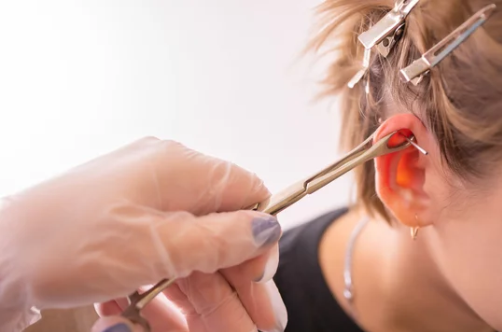
- Proper technique and placement
- Anatomy and safe piercing practices
- Jewelry selection and sizing
- Sterilization and equipment use
- Client consultation and aftercare
A strong apprenticeship provides real-world experience and is one of the most important steps in becoming a confident piercer.
However, not all apprenticeships are created equal. Some offer structured, in-depth training, while others may provide very little guidance. Because there is no standardized curriculum, the quality of your training depends heavily on who you learn from.
Why Proper Training Matters More Than Minimum Requirements
Because Utah does not have strict statewide licensing for piercers, it can be tempting to focus only on the minimum requirements.
But in reality, the most successful piercers go far beyond that.
Clients today are more informed and selective. They care about:
- Clean, professional environments
- Precise technique and placement
- Proper aftercare education
- Safe, high-quality jewelry
Studios are also selective when hiring. They want piercers who are confident, knowledgeable, and capable of delivering consistent, safe results.
Without strong training, it can be difficult to build trust, gain clients, or grow within the industry.
Choosing the Right Path Into the Industry
If you’re serious about becoming a piercer in Utah, your focus should be on quality education and hands-on experience, not just meeting basic requirements.
A strong path typically includes:
- Completing required health and safety certifications
- Learning from experienced professionals
- Gaining consistent, hands-on practice
- Understanding both technical skills and client experience
This combination is what builds confidence, skill, and long-term success.
Thinking About Your Future in Piercing
Becoming a professional piercer in Utah isn’t about meeting minimum requirements, it’s about building real skill, confidence, and trust with your clients.
Because there is no single statewide license, the quality of your training and hands-on experience plays a major role in how successful you become. The right education, mentorship, and environment will set you apart early and help you grow faster in the industry.
If you’re serious about getting started, focus on learning proper technique, understanding safety standards, and gaining real-world experience as quickly as possible.
At Skin Science Institute, our piercing program is designed to give you a structured, hands-on start. Students train in a real environment while learning the safety, technique, and client skills needed to confidently begin their careers.
We offer training at our Utah locations, including Sandy and Orem, making it easy to get started with a program built for real-world success.
Piercing Certification FAQS
Do you need a license to be a piercer in Utah?
No, Utah does not require a statewide license to become a piercer. However, piercers must follow local health department regulations, work in a licensed body art facility, and maintain required safety certifications such as Bloodborne Pathogens and CPR.
What certifications do you need to become a piercer in Utah?
To become a piercer in Utah, you typically need Bloodborne Pathogens certification, CPR and First Aid certification, and infection control training. These certifications are often required by studios and local health departments to ensure safety and proper sanitation practices.
Do you need an apprenticeship to become a professional piercer?
While not legally required, most professional piercers learn through an apprenticeship. This hands-on training allows you to develop proper technique, understand anatomy, and gain real-world experience working with clients in a safe and controlled environment.
Where can you get piercing training in Utah?
You can get piercing training in Utah through hands-on programs like the one offered at Skin Science Institute, with locations in Sandy and Orem. These programs provide real-world experience, safety training, and the foundational skills needed to confidently begin a career in piercing.