“Skin barrier repair” has become one of the most talked-about skincare concepts of 2026, but it is also one of the most misunderstood. Social media often treats it as a quick fix or a trending routine rather than a core principle of skin health.
This article explains what barrier repair actually means, why so many people are damaging their skin barrier without realizing it, and when professional guidance matters most.
At Skin Science Institute, we teach that healthy skin starts with understanding the barrier, not chasing trends.
Key Takeaways
- The skin barrier protects against moisture loss, irritation, and environmental damage.
- Overuse of acids and actives is one of the most common causes of barrier damage.
- Barrier repair is not just adding moisturizer; it requires reducing inflammation and correcting routines.
- Professional estheticians are trained to identify and safely restore barrier function.
- Balanced skin comes from knowing when to treat and when to protect.
What Is the Skin Barrier and What Does It Do?
The skin barrier is the outermost layer of the skin responsible for protection and moisture retention. When it functions properly, skin appears smooth, hydrated, and resilient.
Its primary roles include:
- Preventing excessive water loss
- Blocking bacteria and environmental stressors
- Maintaining overall skin balance
When the barrier is compromised, the skin becomes reactive, dry, inflamed, and more prone to breakouts.
Why Is Barrier Repair a Major Skincare Focus Right Now?
Barrier repair has gained attention because barrier damage has become increasingly common. The rise of strong at-home treatments and layered active routines has led many people to unintentionally weaken their skin.
Contributing factors include:
- Frequent exfoliation
- Improper retinol use
- Stacking multiple acids without recovery time
As more people experience irritation and sensitivity, barrier repair has shifted from a niche concept to a necessity.
How Do Acids and Actives Damage the Skin Barrier?
Acids and actives damage the barrier when they are overused or combined without a strategy. Ingredients like glycolic acid, salicylic acid, retinol, and vitamin C are effective, but only when used correctly.
Common signs of barrier damage include:
- Tightness or burning
- Flaking or peeling
- Increased redness or sensitivity
- Sudden breakouts from previously tolerated products
In most cases, damage is not caused by one product, but by cumulative overuse.
What Is the Difference Between At-Home Repair and Professional Repair?
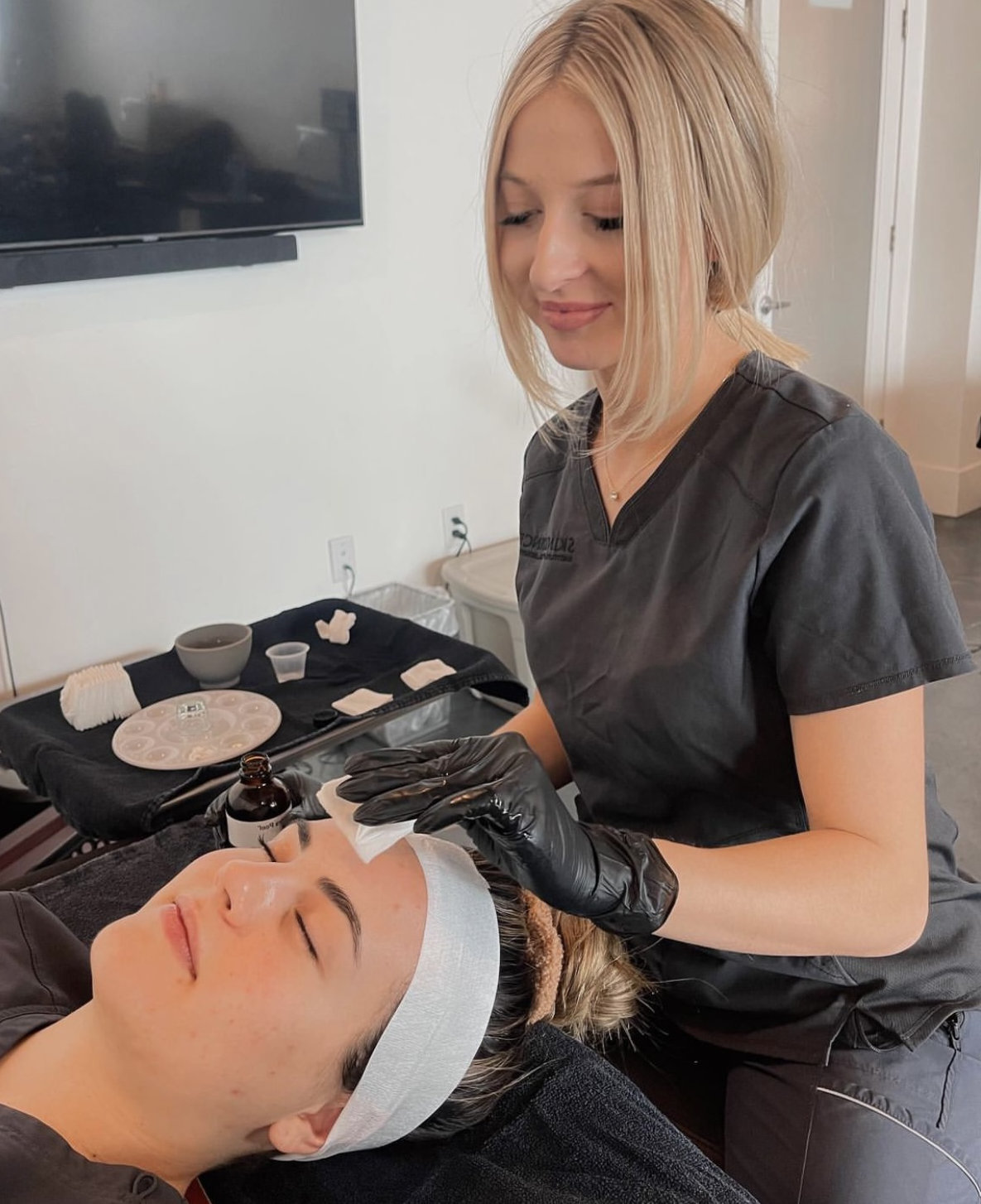
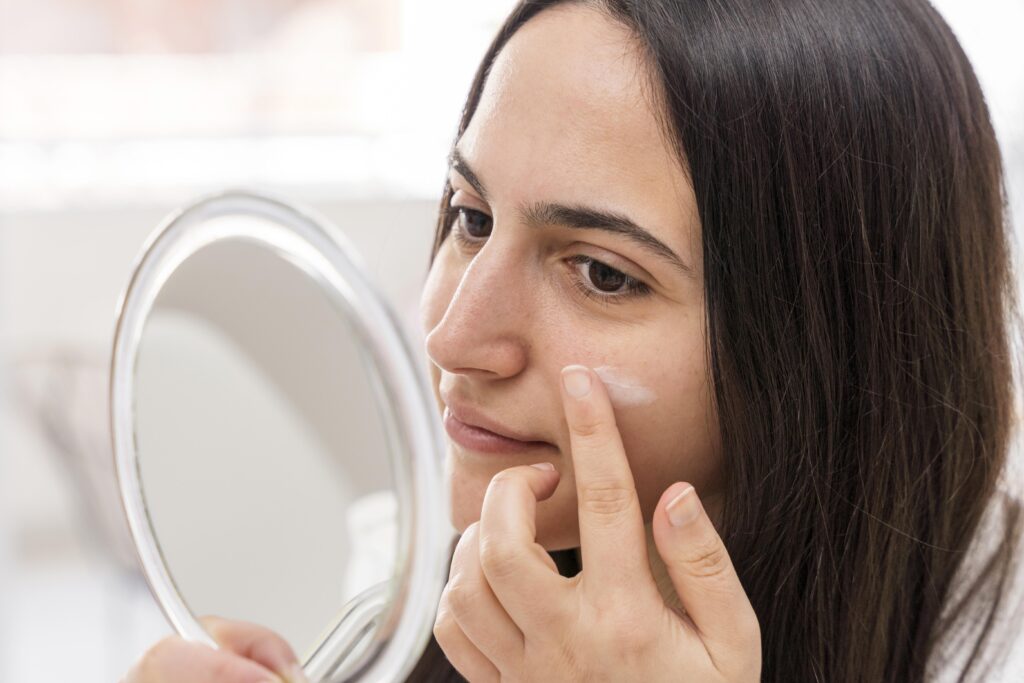
At-home routines often focus on soothing symptoms, while professional repair addresses the underlying cause. Simply adding a heavier moisturizer may provide temporary relief, but it does not correct inflammation or ingredient misuse.
Professional barrier repair may involve:
- Temporarily pausing active ingredients
- Rebuilding hydration levels
- Using barrier-supportive ingredients
- Performing calming, corrective treatments
Estheticians are trained to recognize barrier impairment early and adjust routines before long-term damage occurs.
Should You Stop Using Active Ingredients Completely?
You should not stop using activities permanently, but you may need to pause them temporarily during repair. Barrier repair is about timing and balance, not avoidance.
Once the barrier is restored, actives can be reintroduced strategically and safely. This approach allows results without compromising skin health.
Frequently Asked Questions
Skin barrier repair means restoring the skin’s ability to protect itself and retain moisture. It focuses on reducing inflammation, correcting overuse of active ingredients, and rebuilding balance so the skin can function normally again.
Common signs include tightness, burning, redness, flaking, sensitivity, and breakouts that appear suddenly. Skin may also start reacting to products that previously caused no issues.
Mild barrier disruption can sometimes be improved at home, but ongoing irritation often requires professional guidance. Without addressing ingredient misuse and inflammation, symptoms typically return or worsen.
Acids and retinol can weaken the skin barrier when they are overused or layered improperly. While these ingredients are effective, too much too often can lead to inflammation, sensitivity, and long-term barrier damage.
Skin barrier repair can take several weeks to a few months depending on the severity of damage. Consistency, simplified routines, and professional guidance all influence how quickly the skin recovers.
Barrier repair is not a trend, it is a return to foundational skin science. Healthy skin depends on a strong, balanced barrier that can tolerate treatments and maintain hydration.
Understanding when to treat and when to protect is what separates effective skincare from reactive routines. Education plays a critical role in achieving lasting results.
If you want professional guidance or are interested in learning the science behind skin health, explore the esthetics programs at Skin Science Institute or book a skincare service with one of our trained estheticians today.