As winter begins to wind down, many people notice their skin looking dull, dry, and uneven.
Months of cold air, indoor heating, and limited sun exposure can leave the complexion feeling rough and lacking its usual glow. While spring may feel like the season of renewal, late winter is actually the ideal time to reset your skin — and chemical peels are one of the most effective ways to do it.
At Skin Science Institute, we teach students and clients that timing matters in skincare. And when it comes to professional exfoliation, late winter is prime peel season.
Key Takeaways
- Late winter is the ideal time to reset your skin using chemical peels before increased sun exposure.
- Cold air, indoor heating, and limited sunlight contribute to dull, dry, and uneven skin.
- Chemical peels exfoliate the skin to encourage cell turnover and improve texture and clarity.
- Lower sun intensity in late winter allows for safer healing and reduced pigmentation risk.
Why Winter Skin Needs Renewal
During the colder months, skin often experiences increased dryness and buildup. Dead skin cells accumulate more easily when hydration levels drop, leading to congestion, breakouts, and a dull appearance. Hyperpigmentation from summer sun exposure can also become more noticeable this time of year.
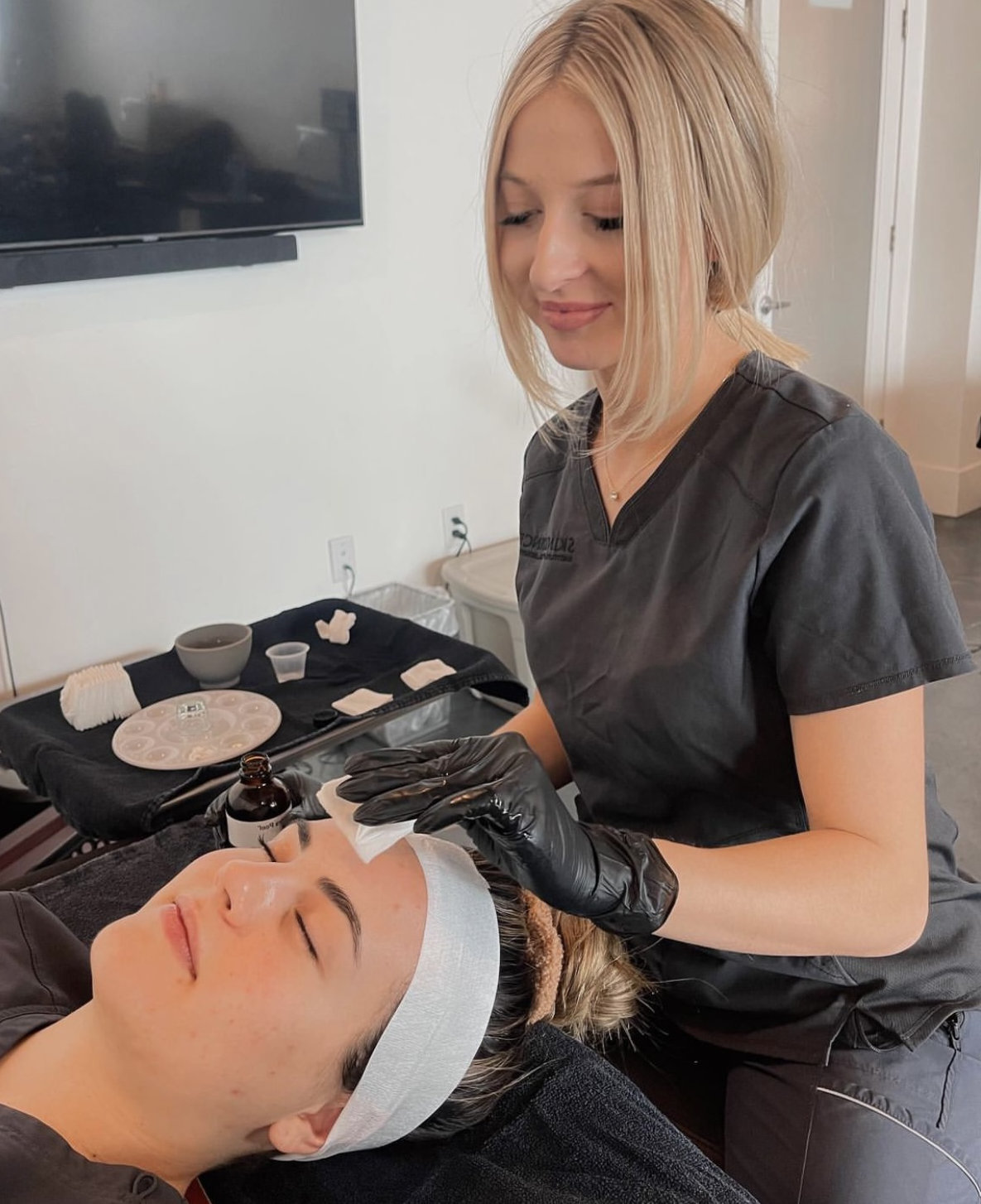
A professional chemical peel works by gently exfoliating the top layers of the skin, encouraging cell turnover and revealing smoother, brighter skin underneath. By removing that buildup, peels help improve texture, reduce discoloration, minimize fine lines, and support overall skin clarity.
Why Late Winter Is the Ideal Time
One of the biggest reasons late winter is prime peel season is sun exposure. Chemical peels make the skin more sensitive to UV rays, so they are safest and most effective when sun intensity is lower and outdoor exposure is reduced. Treating the skin now allows for proper healing while minimizing the risk of post-inflammatory pigmentation.
It also gives clients time to complete a series of treatments before summer arrives. Starting peels in late winter means your skin can be healthier, brighter, and more balanced heading into the sunnier months.
The Importance of Professional Guidance
Not all peels are the same. Different acids and strengths are used to target specific concerns such as acne, pigmentation, aging, or uneven texture. That’s why professional evaluation is essential. A trained esthetician assesses the skin, determines the appropriate treatment plan, and ensures proper pre- and post-care to protect the skin barrier.
At Skin Science Institute, students receive hands-on training in advanced exfoliation techniques and learn how to customize peel treatments safely and effectively. Understanding the science behind chemical exfoliation allows future estheticians to deliver real, results-driven care.
Healthy Skin Starts With Strategy
Skincare isn’t just about reacting to concerns — it’s about planning ahead. Late winter offers the perfect window to reset the skin, correct damage, and prepare for the seasons ahead.
If you’re ready to refresh your complexion or are interested in becoming a skincare professional trained in advanced treatments, Skin Science Institute is here to guide you. Explore our esthetics programs and learn how you can turn your passion into a career.
Learn more about our esthetician programs and admissions at skinscienceinstitute.com or book a skincare service with one of our talented estheticians today.
Your future in professional skincare starts at Skin Science Institute — where science meets results.
Seasonal Peel Timing Comparison
| Season | Sun Exposure | Peel Safety Context |
|---|---|---|
| Late Winter | Lower | Safest and most effective timing |
| Spring | Increasing | Requires more sun protection |
| Summer | High | Higher risk of pigmentation |
| Fall | Decreasing | Often used as a second peel window |
FAQs
Late winter is considered prime peel season because sun intensity is lower and outdoor exposure is reduced, making chemical peels safer and more effective.
Cold air, indoor heating, and limited sun exposure can leave the complexion feeling rough, dry, and lacking its usual glow.
Dead skin cells accumulate more easily when hydration levels drop during colder months, leading to congestion, breakouts, and dull skin.
A professional chemical peel gently exfoliates the top layers of the skin, encouraging cell turnover and revealing smoother, brighter skin underneath.
Chemical peels make the skin more sensitive to UV rays, increasing the risk of post-inflammatory pigmentation if sun exposure is high.
Different acids and strengths are used to target specific concerns, so a trained esthetician must assess the skin and determine the appropriate treatment plan.
Starting peels in late winter allows time to complete a series of treatments so skin can be healthier, brighter, and more balanced before summer.