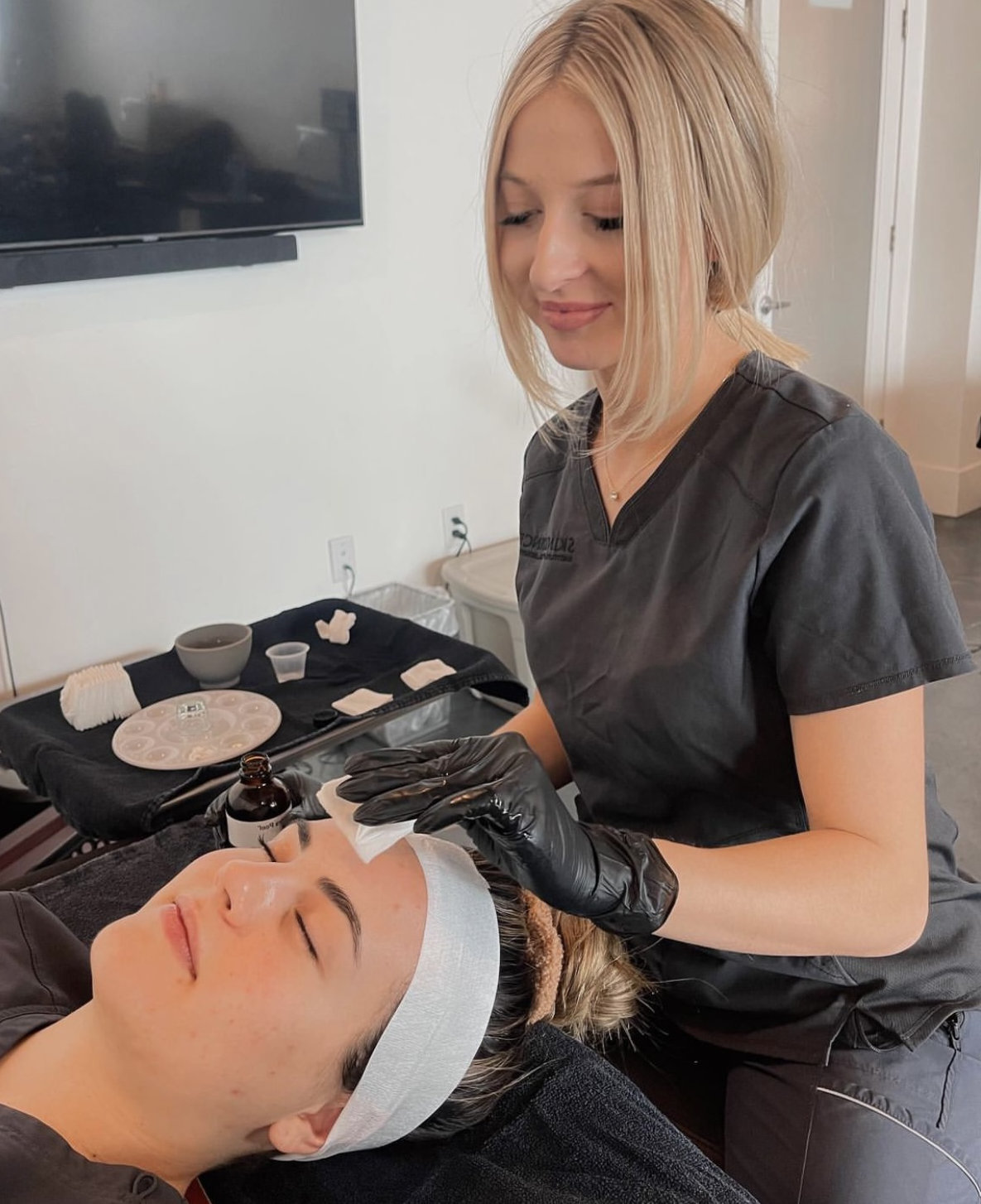
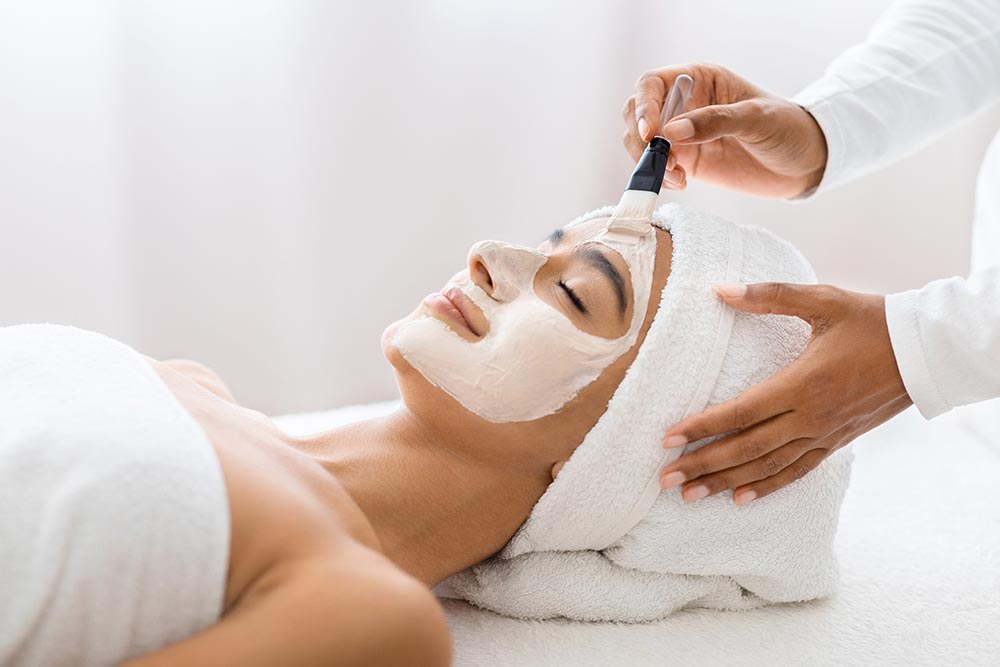
If you’re comparing esthetician vs cosmetology, the biggest difference comes down to specialization. Estheticians focus exclusively on skincare, including facials, advanced treatments, and skin health, while cosmetologists are trained across a broader range of services like hair, nails, and basic skincare.
A career in the beauty industry is a rewarding and exciting path, full of opportunities and growth. In fact, research has shown that the beauty industry generates over $100 billion in revenue each year, highlighting the ever-growing need for skilled professionals who can keep up with demand. It can be difficult, however, to decide which path to pursue. Both paths offer unique specializations, so it’s important to understand the differences between a career as an esthetician and cosmetology to make the best choice for your future.
Choosing between esthetician school vs cosmetology school depends on your career goals. Do you want to specialize in high-demand skincare services or offer a variety of beauty treatments? In this guide, we’ll break down the difference between esthetician and cosmetology programs, licensing, and career paths so you can confidently choose the right direction.
What Is the Difference Between Esthetician and Cosmetology School?
If you’re comparing esthetician school vs cosmetology school, understanding the differences in training, career paths, salary potential, and licensing requirements is an important first step. While both programs prepare students for careers in the beauty industry, esthetician training focuses primarily on skincare treatments and advanced facial services, while cosmetology school covers a broader range of beauty services like hair, nails, and makeup. The comparison table below breaks down the key differences between these two career paths so you can decide which program is the best fit for your goals.
| Esthetician School | Cosmetology School | |
| Main Focus | Skincare | Hair, nails & beauty |
| Training Hours | ~600–1200 | ~1600–2400 |
| Career Paths | Esthetician, med spa, waxing | Hairstylist, salon work |
| Makeup Training | Moderate | Moderate |
| Hair Training | No | Yes |
| Advanced Skin Treatments | Yes | Limited |
| Program Length | Shorter | Longer |
What Do You Learn in Esthetician School?
Focus and Curriculum
Esthetician schools are all about skincare, so if you’re passionate about helping people achieve their best skin, this might be your path. The key difference between esthetician and cosmetology careers is depth vs. breadth: esthetician programs go deeper into skin health, while cosmetology programs cover more services at a surface level. With individuals worldwide putting greater priority on their skincare, the need for estheticians is predicted to grow by 9 percent by 2032, much faster than the average growth. Here’s what you can expect to learn at an esthetician school like Skin Science Institute:
- Facial Treatments: From basic facials to advanced techniques like microdermabrasion and chemical peels
- Hair Removal: Waxing, threading, and laser hair removal
- Makeup Application: Both everyday looks and special-occasion makeup
- Body Treatments: Body wraps, scrubs, and other spa treatments
- Skin Analysis: Understanding different skin types and conditions to provide personalized care
Esthetician programs are focused specifically on skincare, allowing students to gain more hands-on experience with treatments and client care. This means students in esthetician programs often graduate with more specialized, real-world skincare experience in less time.
Esthetician Career Opportunities
With an esthetician training program, there are many potential career routes! As the skincare industry continues to grow, estheticians are seeing increased demand in medical spas and advanced treatment settings. Here are a few potential paths:
- Licensed Esthetician: Provides skincare treatments—such as facials, exfoliations, and masks—in spas, salons, or clinics
- Medical Esthetician: Works in medical settings, assisting with treatments like chemical peels, laser therapy, and advanced skin procedures under a dermatologist’s supervision
- Spa Esthetician: Offers a range of skin and body treatments in a spa environment, focusing on relaxation and wellness
- Waxing Specialist: Performs body waxing, facial waxing, and bikini waxing
- Makeup Artist: Applies makeup for various occasions, including weddings, photo shoots, and theatrical performances
- Laser Technician: Operates laser equipment for hair removal, skin resurfacing, and other cosmetic procedures, usually in medical or spa settings
- Esthetics Instructor: Teaches esthetics courses at beauty schools
- Skin Care Consultant: Provides personalized skincare advice and product recommendations, often in retail or spa environments
- Clinical Esthetician: Works alongside dermatologists or plastic surgeons, providing pre- and post-operative skincare and treatments
- Salon/Spa Owner: Runs their own beauty business, offering a range of esthetic services, managing operations, and handling other administrative tasks
Licensing and Requirements
Master esthetician programs at Skin Science Institute require 600 hours for intermediate master esthetician training and 1,200 hours of training to become a comprehensive master esthetician. After completing your coursework, you’ll need to pass a state board exam to get your license.
What Do You Learn in Cosmetology School?
Focus and Curriculum
Cosmetology schools focus mainly on hair, covering topics like haircutting, coloring, and styling. Additionally, it covers topics like manicures and pedicures, basic facial treatments, and makeup techniques. If you are up to the challenge and passionate about hair or nail care, this might be the career path for you.
Here are some of the topics you will study during your cosmetology training:
- Hairstyling: Trimming, cutting, and styling different types of hair for various desired looks
- Coloring: Coloring, highlighting, frosting, bleaching, etc.
- Styling: Style techniques and extension installation
- Nails: Manicures and pedicures
- Makeup Artistry: Basic makeup techniques and applications
Cosmetology Career Opportunities
Choosing between a career as an esthetician vs cosmetologist depends on your interests and long-term goals. If you prefer variety and want to offer multiple beauty services, cosmetology could be a better fit. With a cosmetology license, you can pursue careers like the following:
- Hairstylist: Cuts, colors, and styles hair in salons or spas
- Barber: Specializes in cutting, styling, and grooming men’s hair
- Nail Technician: Provides manicures, pedicures, and nail art services
- Makeup Artist: Applies makeup for events, photoshoots, or theatrical productions
- Salon Manager: Oversees daily operations of a salon, including staff and client relations
- Cosmetology Instructor: Teaches beauty courses at cosmetology schools
- Beauty Consultant: Advises clients on the best hair products and services
- Product Sales Representative: Sells beauty products to salons, spas, and retail stores
- Salon Owner: Runs their own beauty business, managing all aspects of the operation
- Bridal Stylist: Specializes in hair and makeup for weddings
- Film or TV Hairstylist/Makeup Artist: Works on sets, providing hair and makeup for actors and performers
Licensing and Requirements
Cosmetology programs can vary but typically require about 1,600 to 2,400 hours of training. After finishing your program, you’ll take a state board exam to get licensed.
How to Choose the Right School for You
Consider Your Interests
What excites you most about the beauty industry? If you love skincare and helping clients achieve their best skin, or want to work in spas or med spas, esthetician school will be perfect. If you prefer working in full-service salons or are interested in hair and nails, cosmetology school could be the better fit.
Evaluate Your Career Goals
Both estheticians and cosmetologists have strong career opportunities, but they tend to work in different environments. Think about where you see yourself in the future. Do you want to work in a spa providing skincare treatments or in a salon styling hair and doing nails? Your career goals can guide your choice.
Not all programs provide the same level of training. Many cosmetology schools offer esthetics training, but it may not go as in-depth as a dedicated esthetics program. Keep your personal career goals in mind when choosing a school. If you want to pursue a career as an esthetician, choosing a specialized esthetics school can better prepare you for modern skincare careers and advanced treatments.
Research Schools
Look for the best esthetician schools or cosmetology schools in your area. You can even utilize websites like MatchCollege.com to ensure that you are finding a school that best fits your needs. There are several factors to keep in mind when choosing the right school for you. Here’s what to consider:
- Accreditation and Licensing: Is the school accredited and compliant with state requirements?
- Curriculum: Do the courses align with your interests and goals?
- Facilities: What is the quality of the equipment and learning environment?
- Job Placement Rates: How successful is the school in helping graduates find jobs?
Speak with Professionals
Talk to estheticians and cosmetologists about their experiences. They can offer valuable insights and advice to help you decide which path to take. Additionally, these professionals can offer motivation and inspiration to help you conquer the challenges of a fast-paced career.
When choosing a school, it can also be helpful to read reviews from students who have completed the program you are considering.
Financial Considerations
Consider the cost of each program and explore financial aid options. While esthetician programs might be shorter and less expensive, cosmetology programs offer a broader range of training that could open up more career opportunities. It can also be valuable to consider what salary range you should expect following your graduation. Looking into differences between an esthetician salary and a cosmetology salary can be informative when considering career options. Consider visiting these links to begin your research: esthetician average salary vs. cosmetology average salary.
So, Which Career Path is Better for You?
Choosing between esthetician school and cosmetology school is a big step in your beauty career journey. Both paths offer unique opportunities and can lead to fulfilling careers. By understanding the differences and reflecting on your personal interests and goals, you can make an informed decision that sets you on the path to success.
At Skin Science Institute, we’re dedicated to providing exceptional esthetician training programs that prepare you for a rewarding career in skincare. Whether you’re leaning toward esthetics or still exploring your options, our team can help you find the right path. If you decide that esthetician school is right for you, we’re here to support you and turn your passions into a career. Contact us today to get answers to your questions, learn more about our programs, schedule a tour, or start your enrollment process.
Frequently Asked Questions: Esthetician vs Cosmetology
What is the main difference between esthetician and cosmetology?
The main difference between an esthetician and a cosmetologist is the depth of skincare training and the services each provider offers. Estheticians focus exclusively on skincare, treatments, and advanced facial services, while cosmetologists are trained across a broader range of beauty services including hair, nails, and basic skincare.
Can I switch from cosmetology to esthetics?
Yes, many students switch to esthetician school after realizing they want to specialize in skincare rather than general beauty services. If your goal is to work in med spas, skincare clinics, or advanced treatment environments, esthetics offers a more targeted path.
Is esthetician school easier than cosmetology school?
Esthetician school is typically shorter and more focused, making it faster to complete. However, it is more specialized, especially if you pursue advanced skincare training.
When deciding between esthetician school vs cosmetology school, it’s important to understand how the training differs. Cosmetology programs divide time between multiple disciplines like hair, nails, and skincare, while estheticians specialize in skincare, focusing on treatments like facials, waxing, exfoliation, and advanced skin therapies.
If you’re interested in a focused path, explore our 600 Hour Intermediate Master Esthetician Program to see how quickly you can get started.
Can an esthetician do everything a cosmetologist can, and vice versa?
No. Estheticians specialize in skincare, offering facials, chemical peels, waxing, and advanced skincare treatments, while cosmetologists are licensed for hair, nails, and general beauty services.
Should I choose an esthetician school or cosmetology school?
Choosing between esthetician vs cosmetology school comes down to your goals. If your goal is skincare, esthetician school is the better choice. If you want to work in a salon offering multiple services, cosmetology may be a better fit.
For students who are specifically interested in a skincare career, enrolling in a dedicated esthetics program gives you more hands-on experience and better preparation for real-world clients. Esthetician programs are focused and efficient, teaching advanced skincare techniques, product knowledge, and client treatment plans.
Cosmetology programs divide time across multiple disciplines. Cosmetologists are trained in hair cutting, coloring, styling, nails, and basic skincare. Choose cosmetology training if you want variety and plan to work in a full-service salon.
Can cosmetologists perform skincare treatments?
Yes, licensed cosmetologists can typically perform basic skincare services depending on state licensing requirements. However, estheticians receive more specialized esthetician training focused on skincare treatments such as facials, exfoliation, waxing, and advanced skin therapies. If your goal is to specialize in skincare, med spa services, or advanced facial treatments, attending esthetician school may provide more focused education and career preparation.
Do estheticians make more money than cosmetologists?
Esthetician salary and cosmetology salary can vary based on experience, specialization, location, and clientele. Estheticians who work in medical spas, luxury spas, or advanced skincare clinics may have strong earning potential, especially when offering specialized treatments. Cosmetologists may earn more in high-end salons or through hairstyling services and repeat clients. Both career paths offer opportunities for growth, but students interested in skincare careers often pursue advanced esthetician training to expand their earning potential.
Is cosmetology school worth it if I only want to do skincare?
If your primary interest is skincare, facials, and advanced skin treatments, esthetician school may be a more focused and efficient path than cosmetology school. Cosmetology training includes hair, nails, and other beauty services, which may not align with your long-term career goals. Students who want to become skincare specialists, work in spas, or pursue medical esthetics often benefit more from specialized esthetician training programs.